Global Alliance for
Values-based Education
Building a World of Shared Values through Values-based Education


About GAVE

What are the essential values that we need – as individuals, communities, and as a globalised society – in the 21st century?

Is there a universally accepted framework for values and values-based education?

What are the best methods, current foci, and significant gaps in values and values-based education research and practice locally and globally?

If you’ve ever pondered upon these questions, you’re not alone. We, at GAVE, are an international and interdisciplinary alliance of scholars, educators, practitioners, students, leaders, policy-makers, citizens, and organisations who have come together in the spirit of collaboration to identify and advance the research, practice, and policy of values and values-based education in our cultures, curricula, and systems across the world.

Welcome to GAVE.

Dear Colleagues and Students,

The world desperately needs citizens who are compassionate, responsible, capable of thinking critically and emotionally literate. Where are they going to come from if our educational systems continue to focus on testing, standardising and box-ticking?

A worldwide structural shift in educational policy-making is urgently needed if we are going to be able to produce the citizens we need who can address the complex, fast-changing challenges of the current century.

We need to change the mindset of policy-makers and educationalists around the world. They need to understand that consciously practicing values in schools, colleges, universities, and organizations is not something that is merely nice-to-have, which can be ignored and squeezed out when time is tight. Values need to be at the core of the educational and training process, integrated into learning from early years through to higher education, the world of work, and beyond.

Education can’t be reduced to a soulless delivery process with stressed teachers and trainers handing over prescribed information and instruction like bags of reheated fast food.  Education is vastly greater than that. It is about understanding ourselves and others. It is about relationships. Those we teach are not just names and numbers – they need to trust and feel cared for in order to learn what they need to know and to become fully developed and admirable human beings.

That is why GAVE is so important. It is a powerful platform for advocating values-based pedagogies, programs, and policies. It is building a comprehensive global resource hub for best practice and for evidence-based research in values and values education.  And perhaps most importantly, GAVE is home to a vibrant community of values-driven educators, scholars, practitioners, students, and leaders, united by a vision of values-based education that can give us hope for a better future.

If that makes sense to you, please join us, either as an individual or organizational member.  You can find out how to do this by clicking the Membership tab at the top of this page.

Join GAVE and help build “a world of shared values through values-based education.”

Warmly,

Charles Fowler

GAVE Chair, 2026

Our Mission

To create and sustain a vibrant movement and vital forum for the advancement of values-based education, both locally and globally.

Our Vision

To be a leading voice for the credible development, implementation, evaluation, support, and growth of high quality values-based education programs, polices, and initiatives around the world.

Our Values

To exemplify and express…

  • Credibility: Demonstrating the transformative impact of values-based education through state-of-the-art research, assessment, and practice. 

  • Care: Recognise and support innovative efforts to develop, implement, evaluate, and disseminate values-based education programs and interventions of demonstrable quality.

  • Communication: Clarify and illuminate values-based education and why it matters when done well.

  • Depth: Illuminate and engage the deepest aspects of the human heart and mind by showing how, why, when, and for whom depth-based learning occurs.

  • Awareness: To understand self and other, as well as why we do what we do, in order to be reflective and effective.

Our Bookshelf: Recommended Research Titles in

Values-based Education
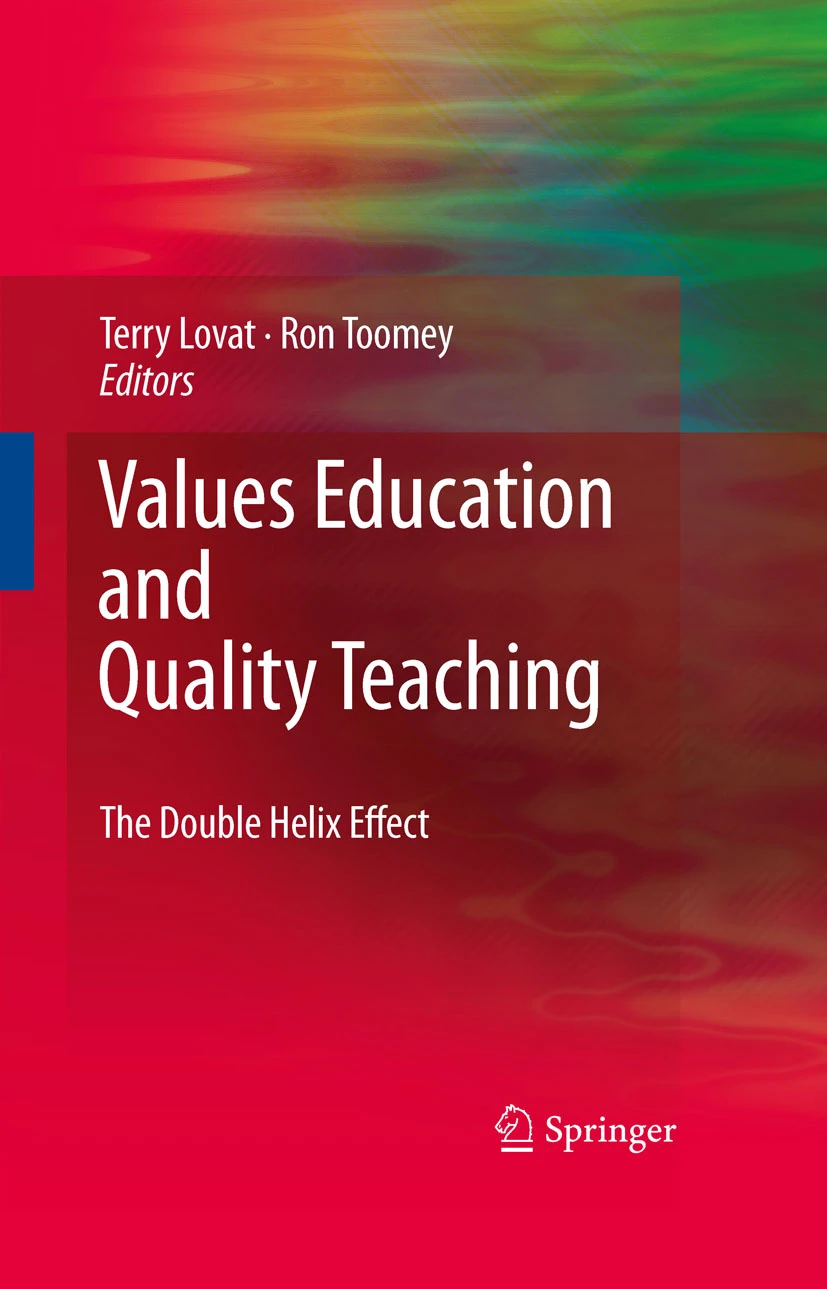
2009

Some revision of public schooling history is necessary to challenge the dominant mythology that public schools were established on the grounds of values-neutrality. In fact, those responsible for the foundations of public education in Australia were sufficiently pragmatic to know that its success relied on its charter being in accord with public sentiment. Part of the pragmatism was in convincing those whose main experience of education had been through some form of church-based education that state-based education was capable of meeting the same ends…

Beyond the standard goals of literacy and numeracy, education was said to be capable of assuring personal morality for each individual and a suitable citizenry for the soon-to-be new nation… The evidence suggests that public education’s initial conception was of being the complete educator, not only of young people’s minds but of their inner character as well.

2010

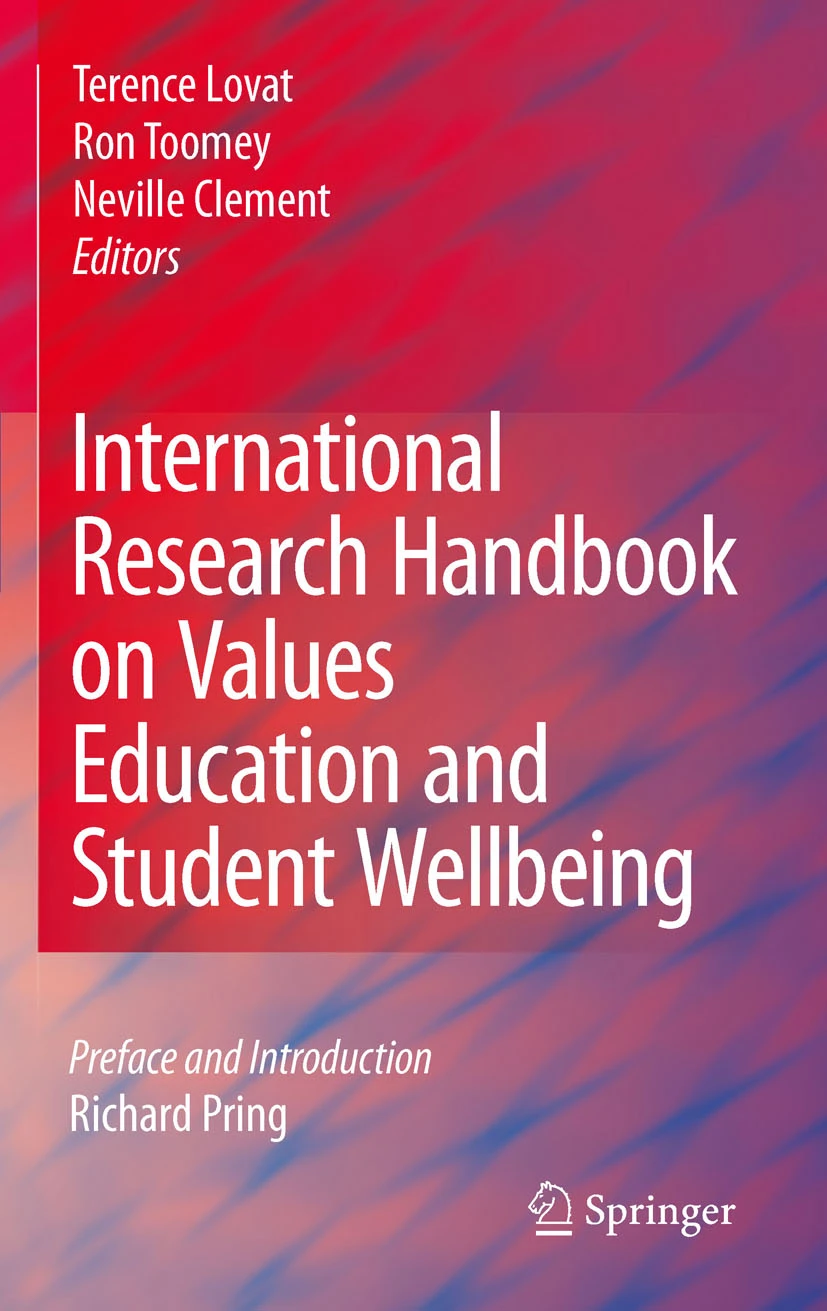
“… This handbook analyzes values education in the context of a range of school-based measures associated with student wellbeing. These include social, emotional, moral and spiritual growth – elements that seem to be present where intellectual advancement and academic achievement are being maximized.

This text comes as ‘values education’ widens in scope from being concerned with morality, ethics, civics and citizenship to a broader definition synonymous with a holistic approach to education in general. This expanded purview is frequently described as pedagogy relating to ‘values’ and ‘wellbeing’…

Teachers and educationalists will find that this handbook provides evidence, culled from both research and practice, of the beneficial effects of such a ‘values and wellbeing’ pedagogy.”

2016

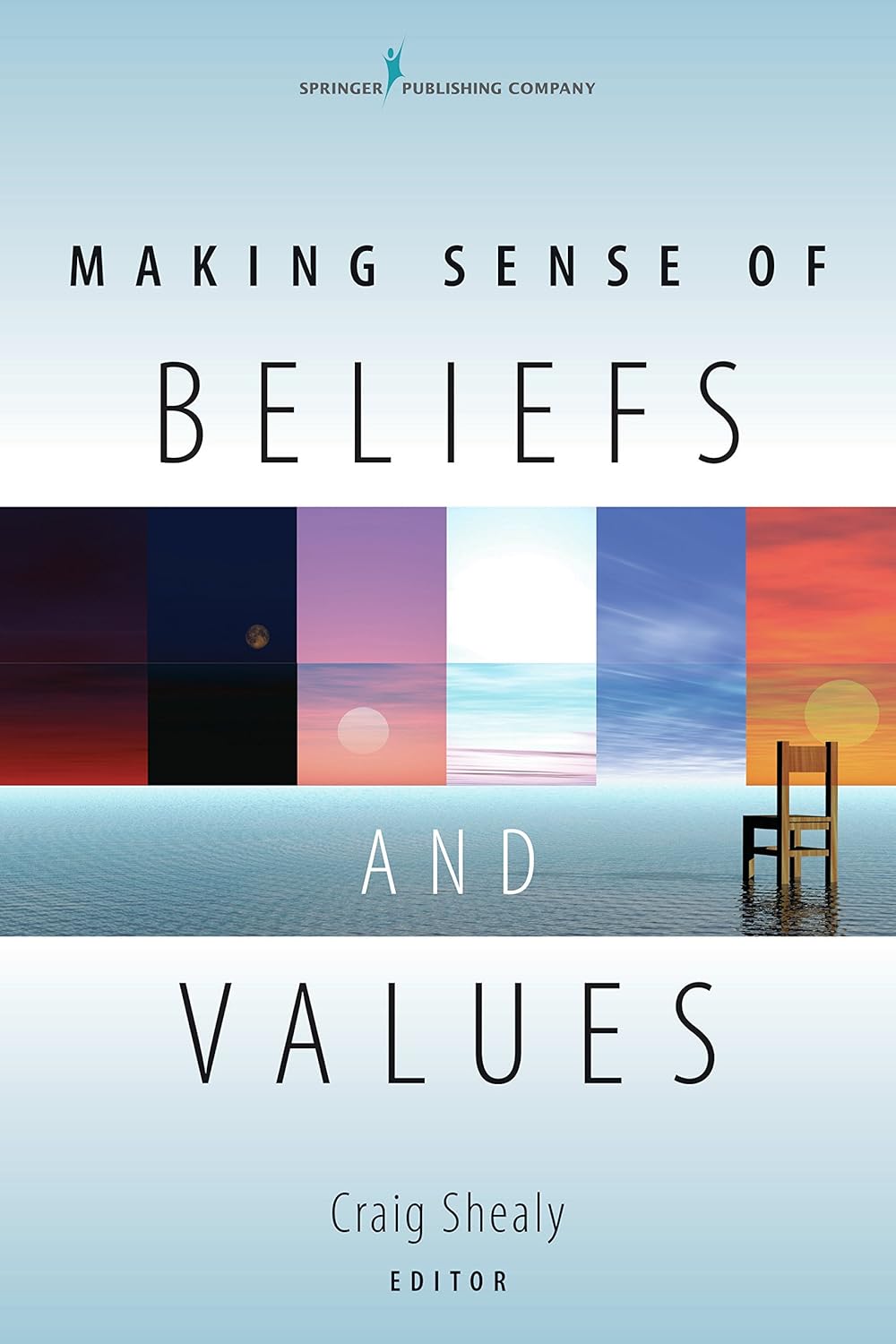
Social psychologists have studied beliefs and values and related constructs such as “attitudes” and “prejudice” for decades… this edited volume explores the many cutting-edge implications and applications of Equilintegration (EI) Theory and the Beliefs, Events, and Values Inventory (BEVI).

Grounded in 20 years of research and practice, EI Theory seeks to explain the processes by which beliefs, values, and worldviews are acquired and maintained, why their alteration is resisted, and under what circumstances they are modified. Based upon EI Theory, the BEVI is a comprehensive analytic tool that examines how and why we come to see ourselves, others, and the world as we do, as well as the influence of such processes on multiple aspects of human functioning…

Research-focused chapters explain how the EI model and BEVI method increase our conceptual sophistication and methodological capacity across a range of areas: culture, development, environment, gender, politics, and religion. Practice-oriented chapters demonstrate how the BEVI is used in the real world across a range of applied domains: assessment, education, forensics, leadership, and psychotherapy…”

2019

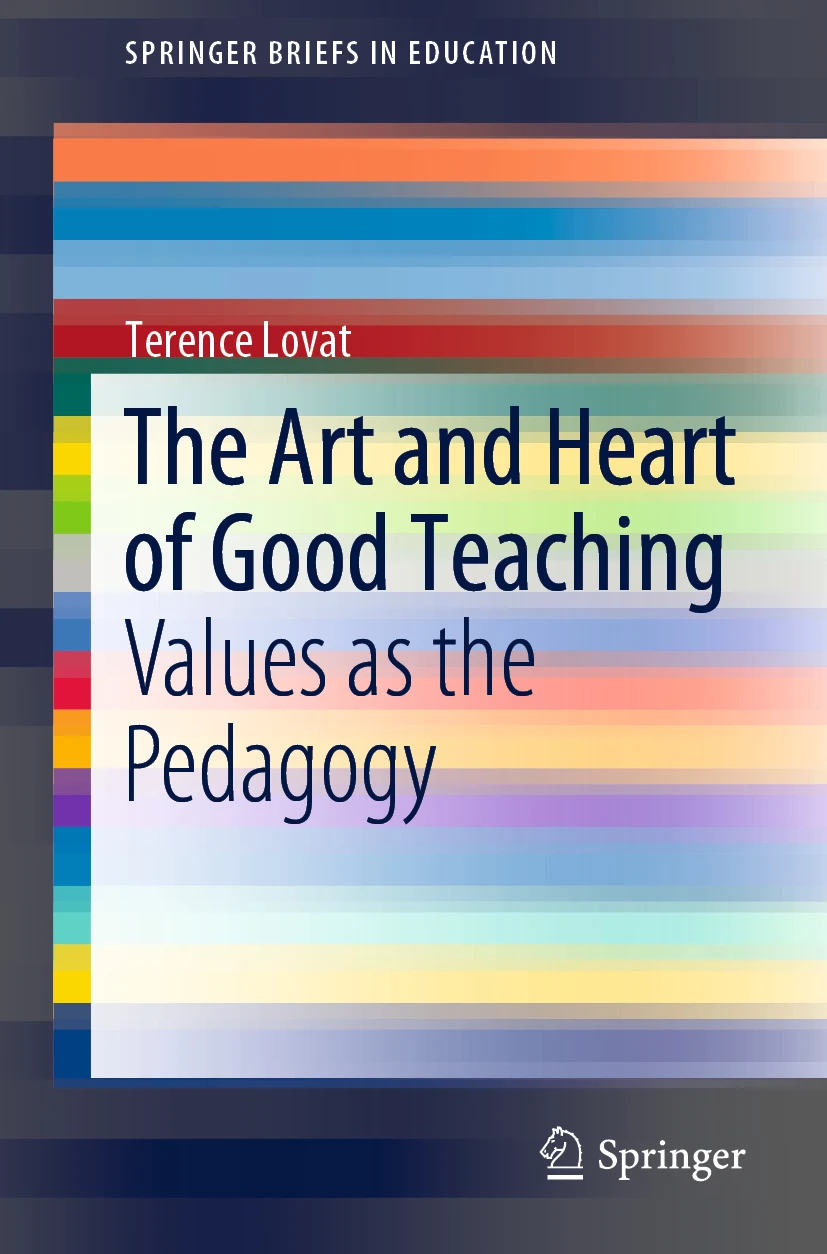
This book summarizes and updates findings from the Australian Values Education Program with a focus on the latest international research in the field, both theoretical and practice-based. Further, it provides a theoretical and practical basis for understanding the disenchantment with low-level accountability approaches to learning (e.g. NAPLAN in Australia). 

In turn, the book demonstrates the effectiveness of Values Education as a holistic pedagogy with the potential to enhance students’ learning effects in terms of their personal, social, emotional and academic development. It offers well-tested alternative pedagogical approaches, based on research insights largely originating from actual classroom-based practice.”

2022

Transformative Learning Theory and Praxis examines the multi-faceted nature of transformative learning and transformation theory including its merits, restrictions, and possibilities, and presents carefully chosen international case studies and theoretical approaches that enrich the application of the theory within a wide variety of educational settings… including higher education, arts, classics, new technologies, and academic development…

Based on in-depth research, this key title provides a means of measuring and documenting transformative outcomes in qualitative studies of high impact learning experiences, and raises new questions and opportunities for the future development of the field….

A must-read text for anyone interested in the research behind, and applications of, transformative learning and transformation theory, including researchers, students, and policy-makers in the field.

2023

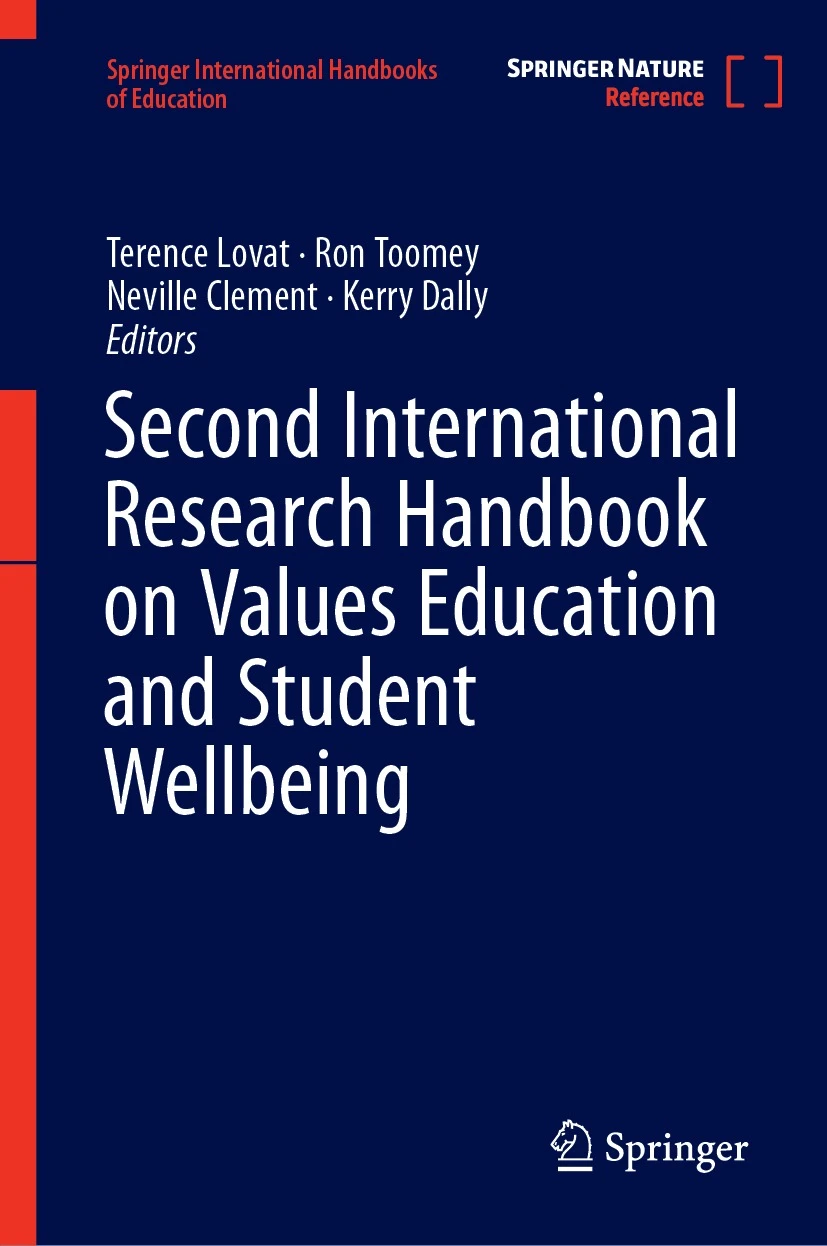
“This collection applies the principles underlying values education to addressing the many social and learning challenges that impinge on education today. Insights in the fields of social and emotional learning, student wellbeing, and, increasingly, educational neuroscience have demonstrated that values education represents an efficacious pedagogy with holistic effects on students across a range of measures, including social, emotional, and intellectual outcomes.

With schools in the 21st century confronting issues such as gender identity, stemming radicalism, mental health, equity for disadvantaged groups, bullying, respect, and the meaning of consent, values education offers a way of teaching and learning that integrates and enhances student’s affective and cognitive functioning…

The revised edition has preserved the essential spirit and thrust of the original edition while making space for some of these new insights about the potential of values education to establish optimal and harmonious learning and social environments for both students and teachers.”

Join OUR GAVE Global Community TODAY

Individual and organisational

membership available 

Get in Touch

2 + 12 =